
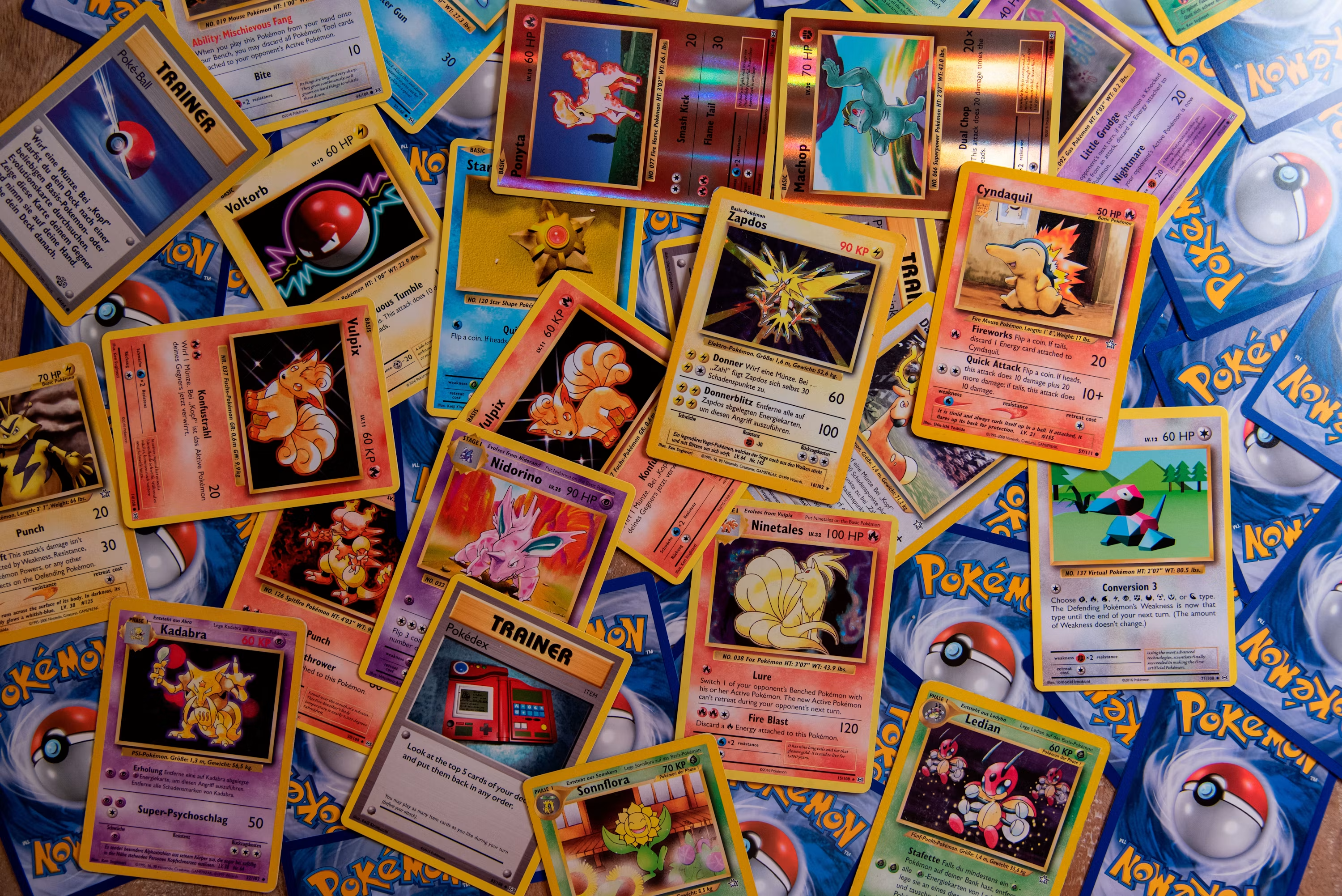
For many Pokémon collectors, the biggest question isn't which card could double overnight—it's which cards are most likely to hold their value over time. With the Pokémon market maturing and more collectors entering the hobby, focusing on proven cards with strong demand can often be a smarter strategy than chasing the latest hype.
If I had exactly $200 to spend today, my goal would be to build a small collection of cards that combine collector demand, iconic characters, and long-term appeal. Rather than putting all of my money into sealed products or speculative new releases, I would focus on singles that already have established popularity among collectors.
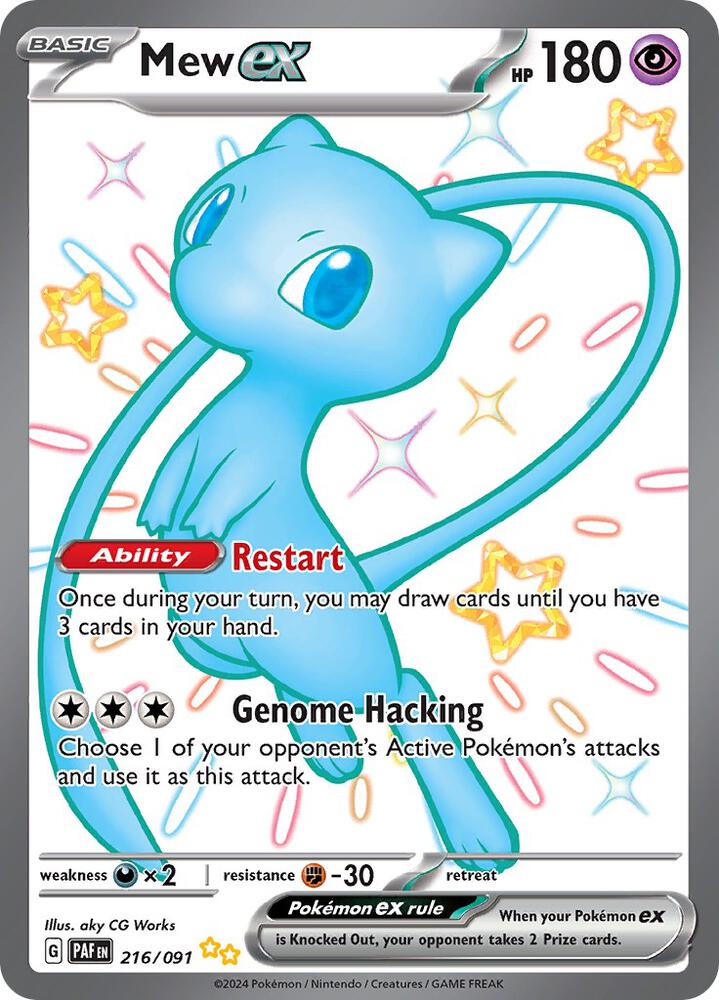
One of the first cards I would target is Mew ex Special Illustration Rare from Paldean Fates. Mew has been one of Pokémon's most beloved and recognizable characters since the franchise began. The stunning artwork, combined with Mew's enduring popularity, makes this card attractive to both collectors and investors. Unlike many modern chase cards that rely heavily on short-term hype, Mew has demonstrated decades of sustained demand across multiple generations of Pokémon fans. That kind of collector loyalty is exactly what helps support long-term value.
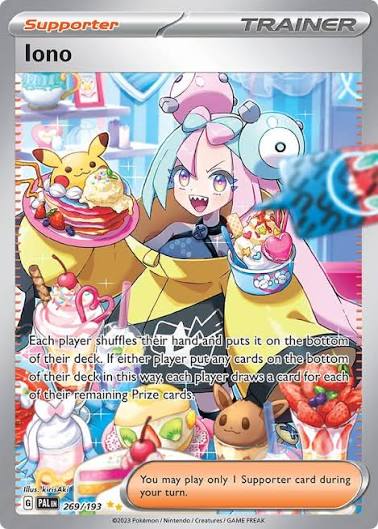
Another strong pickup is the Iono Special Illustration Rare. Trainer cards featuring popular characters have become increasingly collectible over the last several years, and Iono has quickly become one of the most popular modern Pokémon characters. The combination of competitive play relevance and collector demand gives this card a strong foundation for long-term value.
EBay (Discloure: Referral comission can be received if purchased)
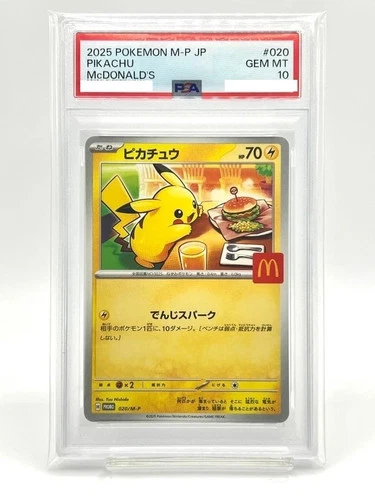
Instead of chasing dozens of lower-end cards, I would also look for a high-quality Pikachu promo card, preferably in a graded PSA 10 holder. Pikachu remains the face of the Pokémon brand and continues to attract interest from both new and experienced collectors. Historically, premium Pikachu cards have proven to be among the safest long-term holds in the hobby.
Collectors often make the mistake of focusing exclusively on rarity. While rarity certainly matters, popularity often matters even more. A moderately rare Pikachu, Charizard, Umbreon, or Rayquaza card will often outperform a much rarer card featuring a less popular Pokémon simply because demand remains consistently high.
Another option for investors who prefer concentrating their funds into a single purchase would be acquiring a copy of Giratina V Alternate Art from Lost Origin. Many collectors consider this one of the best artworks produced during the Sword & Shield era. While it may consume most of the $200 budget, it offers exposure to one of the hobby's most sought-after modern chase cards.
One category I would generally avoid is modern booster boxes purchased solely for investment purposes. Many sealed products have already appreciated significantly, leaving less room for growth. Singles with proven collector demand often provide a more predictable path to preserving value.
I would also be cautious around heavily hyped cards immediately following release. Prices often spike during the first few weeks after launch before gradually settling as additional product enters the market. Patience is frequently rewarded in the Pokémon hobby.
My $200 Shopping Cart Today
- Mew ex Special Illustration Rare (Paldean Fates) — ~$50–70
- Iono Special Illustration Rare — ~$50–60
- PSA 10 Pikachu Promo — ~$80–100
This gives you exposure to:
- Mew (legendary/iconic Pokémon)
- Iono (top modern trainer)
- Pikachu (the face of the franchise)
- It's diversified, liquid, and much less risky than chasing sealed product or speculative cards.
While no Pokémon card investment is guaranteed, focusing on established demand, iconic Pokémon, and collector-favorite artwork gives collectors the best chance of preserving value over time. The hobby continues to evolve, but cards that people genuinely love tend to remain desirable regardless of short-term market fluctuations.